
Lies As A Weapon
The CallerThis flow traces how the novel’s deceptions begin as fabricated emergencies but reveal real vulnerabilities in relationships, institutions, and self-understanding.
increasing Bearing strength in each event
 decreasing
Bearing strength in each eventdecreasingA Happy Story Under Pressure

A Happy Story Under Pressure
A life believed secure
Lily sees her family as a fortunate household built on love, beauty, and care. The early domestic scene presents a world in which ordinary pleasures seem dependable.
The reader knows otherwise
An intruder reaches Margrete while Lily is occupied inside. The contrast between Lily’s confidence and the unseen attack makes the opening’s happiness vulnerable from the start.
The novel’s opening does not expose Lily as foolish. It shows that confidence can be sincere and still fail to anticipate another person’s actions.
A False Obituary

A False Obituary
A manufactured fact
A newspaper publishes Gunilla’s obituary even though she is alive and well. The document includes enough accurate information to make the lie feel official.
A person sees herself erased
Gunilla reads the notice and becomes frightened, moving from disbelief to tears. The falsehood makes a claim about her existence in a form normally used to certify a death.
The deception shows how a lie can do more than misstate facts. It can temporarily remove a living person from the social world that recognizes her.
An Impersonated Doctor

An Impersonated Doctor
Authority borrowed by voice
A young caller claims to be a doctor and reports Helge’s death. The funeral home accepts the call as credible enough to dispatch a vehicle.
A lie depends on routine
The caller does not need medical knowledge beyond a name and address; he relies on the staff’s normal trust in professional communication. Astrid’s correction exposes the false report only after the hearse has arrived.
The scene shows how deception can exploit a social role. A convincing voice briefly gains the authority of an institution without possessing its legitimacy.
Truth Revealed By A Phone
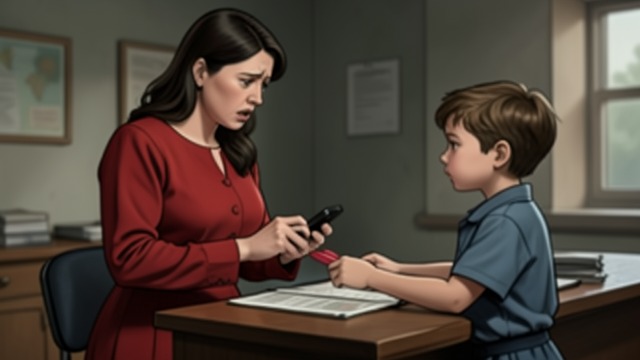
Truth Revealed By A Phone
A frightened search
Evelyn reaches the information desk believing Frances has been seriously hurt. The hospital cannot find the child and cannot confirm the message.
Direct contact changes the facts
The receptionist asks Evelyn to call Frances. When her daughter answers, the alleged accident is exposed as a lie.
The phone restores factual knowledge but not emotional calm. The episode demonstrates that truth may arrive quickly while the body remains caught in fear.
The Last Unanswered Deception

The Last Unanswered Deception
A history of lying complicates belief
Johnny has lied to victims, police, and family members, yet he insists that he did not release the dogs. Sejer and Matteus disagree about how much that history should shape trust.
No final verification
Johnny dies before the investigators can determine whether his denial is true. His death leaves both an accusation and a defense without a conclusive answer.
The campaign’s lies damage the possibility of trust even when Johnny may be telling the truth about a particular event. The novel closes on the cost of not knowing which story remains reliable.
the opening of the novel
about a week after the baby attack
during the false funeral pickup
during Evelyn’s hospital visit
near the ending, after Johnny’s death
